
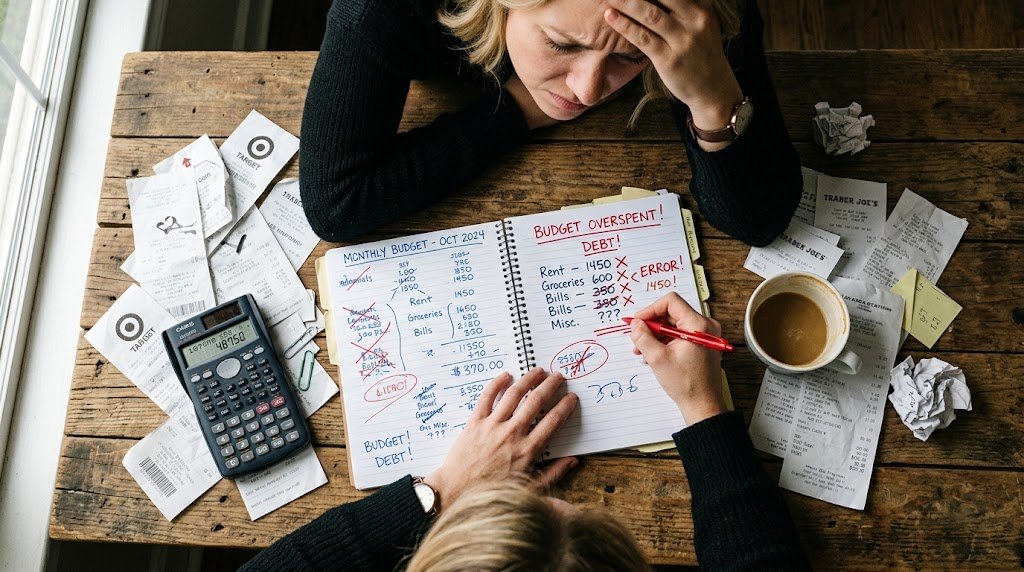
Creating a budget is an important step toward managing money, reducing financial stress, and building better saving habits. However, making a budget does not automatically guarantee financial success. Many people struggle to follow their plans because they set unrealistic spending limits, forget occasional expenses, or fail to review their progress throughout the month.
The good news is that most budgeting mistakes can be corrected with a few practical changes. You do not need a complicated financial system or a high income to improve your money management skills. You need a realistic plan, consistent habits, and a willingness to adjust your budget when your circumstances change.
In this guide, you will learn about the most common budgeting mistakes, why they happen, and how to avoid them. These practical tips can help beginners create a budget that is easier to follow and better suited to their financial goals.
Why Is Budgeting Important?
A budget gives you a clear picture of how much money comes in, how much goes out, and how much you can put toward savings or debt repayment.
Without a budget, it can be difficult to understand why money disappears before the end of the month. You might pay your regular bills, make several small purchases, and then discover that you have little left for savings or unexpected expenses.
A well-planned budget helps you organize your spending, prioritize essential costs, and make decisions based on your financial situation.
It can also help you prepare for future expenses, reduce unnecessary purchases, and work toward goals such as building an emergency fund or paying off debt.
However, a budget should be flexible enough to reflect real life. Understanding common budgeting mistakes can help you create a plan that works in practice rather than one that looks good only on paper.
1. Setting Unrealistic Budget Limits
One of the most common budgeting mistakes is setting spending limits that are too restrictive.
For example, someone who usually spends $400 a month on groceries might decide to reduce that amount to $150 immediately. Although reducing food costs may be possible, such a large change could be unrealistic depending on household size, local prices, and dietary needs.
When a budget does not reflect your actual circumstances, it becomes difficult to follow. You may repeatedly exceed your limits and eventually stop using the budget altogether.
How to Avoid This Mistake
Start by reviewing your spending from the previous one to three months. Use bank statements, receipts, and transaction records to estimate your normal expenses.
Set realistic limits based on your current habits, then identify small changes you can maintain.
For example, instead of dramatically cutting your grocery budget, you could plan meals, compare prices, prepare food at home more often, and reduce food waste.
Gradual improvements are generally easier to maintain than extreme spending restrictions.
2. Forgetting Irregular Expenses
Many people plan for rent, groceries, and utility bills but forget expenses that occur only occasionally.
These costs may include vehicle maintenance, annual insurance premiums, school supplies, holiday gifts, home repairs, or membership renewals.
When these expenses appear, they can disrupt your monthly budget because you have not reserved money for them.
How to Avoid This Mistake
Review your previous financial records and identify expenses that occur quarterly, annually, or at irregular intervals.
For predictable annual costs, divide the estimated total by 12 and set aside that amount each month.
For example, if you expect to pay $600 for an annual expense, saving $50 each month can help you prepare for it.
You should also consider maintaining a separate emergency fund for genuinely unexpected costs. Planned irregular expenses and emergencies are different, so it helps to account for them separately when possible.
3. Not Tracking Everyday Spending
Another frequent mistake is creating a budget without recording actual purchases.
You may know how much you spend on rent and other large bills but underestimate small expenses such as coffee, snacks, parking, online purchases, and takeaway meals.
Although these transactions may seem insignificant individually, they can add up over a month.
How to Avoid This Mistake
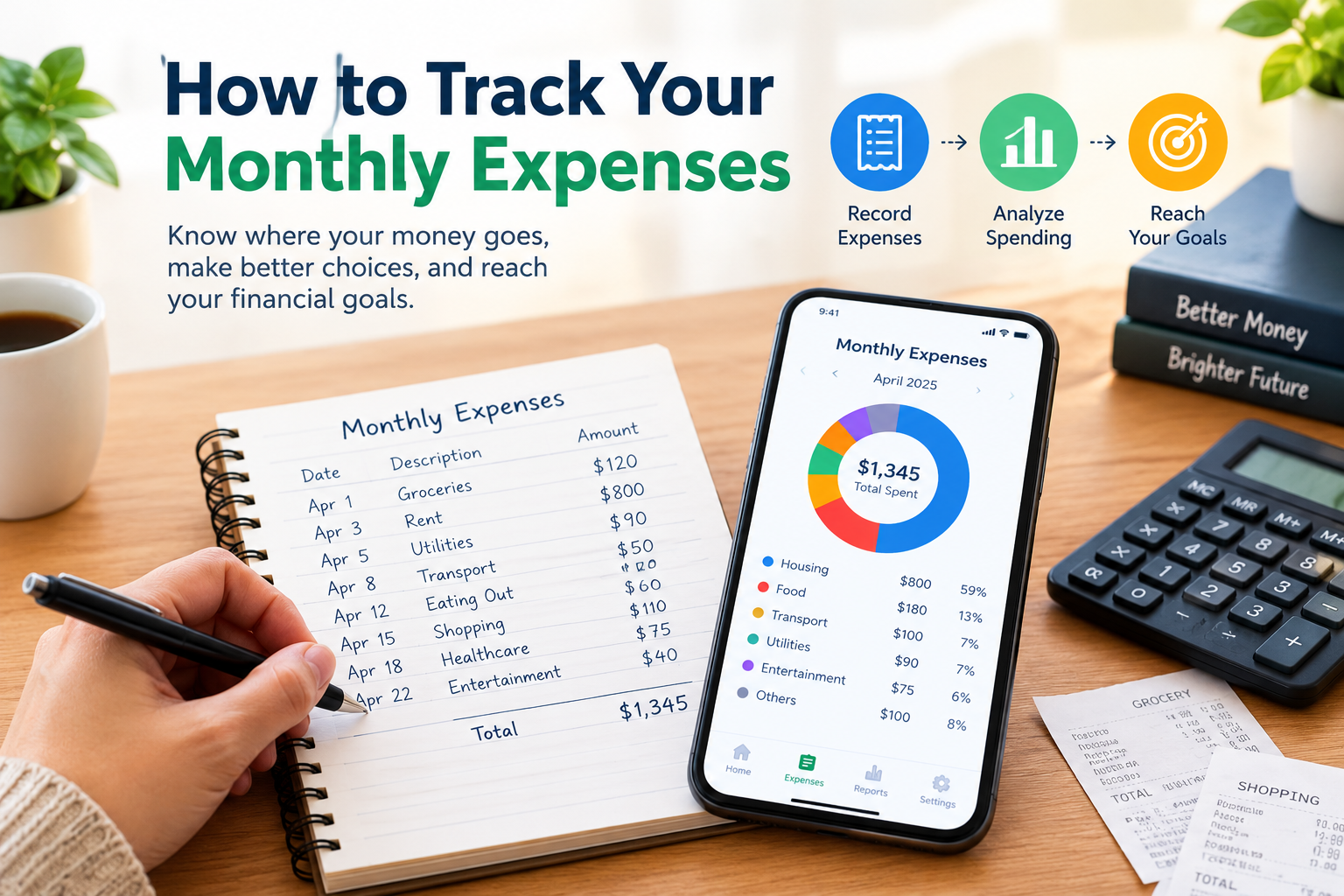
Choose a simple expense-tracking method. You can use a notebook, spreadsheet, or budgeting app to record each purchase.
Include the date, amount, and spending category. Review your transactions at least once a week so you can see how much money remains in each category.
For example, if your entertainment budget is $150 and you have already spent $120, you know that only $30 remains for the rest of the month.
Tracking expenses gives you information you can use to make better decisions before overspending becomes a problem.
4. Confusing Needs With Wants
It can be difficult to distinguish between necessary expenses and optional purchases.
Needs generally include essential costs such as housing, basic groceries, necessary transportation, utilities, and required debt payments.
Wants include many nonessential purchases, such as premium subscriptions, frequent restaurant meals, luxury products, and entertainment.
However, some expenses depend on individual circumstances. Internet access, for example, may be essential for someone working remotely but optional in another situation.
How to Avoid This Mistake
Review each spending category and ask whether the expense is necessary, optional, or somewhere in between.
You do not need to eliminate every want. Enjoyable spending can be part of a healthy budget as long as it fits your income and financial priorities.
The goal is to understand the difference so you can make intentional choices about where your money goes.
5. Ignoring Savings in Your Budget
Some people treat savings as whatever remains after all other expenses have been paid.
This approach can make saving difficult because flexible spending often expands to use the money available.
If you never assign money to savings, you may continue postponing your financial goals.
How to Avoid This Mistake
Include savings as a planned category in your monthly budget.
Choose a realistic amount based on your income, essential expenses, and existing debt obligations. If possible, transfer the money to savings when you receive your income.
For example, if you can comfortably save $100 each month, make that amount part of your plan instead of waiting to see what remains.
If your current income barely covers essential expenses, start with a smaller amount when possible. Your first priority may be stabilizing your finances and covering necessary bills.
Over time, you can increase your savings as your circumstances improve.
6. Setting a Budget Without Clear Financial Goals
A budget can become difficult to maintain when you do not know what you are working toward.
Simply reducing spending may feel restrictive if you cannot connect those changes to a meaningful purpose.
Financial goals give your budget direction. You might want to build an emergency fund, save for education, prepare for a major purchase, or reduce debt.
How to Avoid This Mistake
Choose a few specific financial goals and decide how much money you need for each one.
For example, suppose you want to save $1,200 over the next 12 months. You would need to set aside approximately $100 per month, assuming no interest or investment returns.
Write down your goal, target amount, and intended timeline. Review your progress each month and adjust the plan if your circumstances change.
Having clear goals can make it easier to understand why certain spending decisions matter.
7. Forgetting to Include Debt Payments
Debt payments can place significant pressure on a monthly budget, particularly when you have multiple loans or credit card balances.
If you overlook payment dates or underestimate the amount due, you may struggle to cover your obligations. Missed payments can also result in fees or other financial consequences, depending on your agreement.
How to Avoid This Mistake
List every debt, including its minimum payment, due date, interest rate, and outstanding balance.
Include required minimum payments in your monthly plan before allocating money to optional purchases.
If you have extra money available, consider whether additional payments toward high-interest debt could help reduce your borrowing costs. Compare this with your need for accessible emergency savings and other essential expenses.
You can also set payment reminders or use automatic payments when your account balance is reliable enough to avoid overdrafts.
If you are struggling to meet required payments, contact the lender or a reputable nonprofit credit counselor where available to discuss possible options.
8. Failing to Prepare for Emergencies
Unexpected expenses can occur at any time. A medical bill, essential repair, or temporary loss of income may create financial difficulties if you have no accessible savings.
Without an emergency fund, you may need to rely on credit cards or other borrowing options that increase your financial burden.
How to Avoid This Mistake
Begin building an emergency fund with an amount you can realistically afford.
Your initial goal might be enough to cover one small unexpected expense. Over time, you can work toward a reserve that covers several months of essential living expenses, depending on your income stability and responsibilities.
Keep emergency money accessible and separate from funds intended for planned purchases or entertainment.
If you cannot save much right now, do not assume that saving is pointless. A modest reserve may still provide some protection against unexpected costs.
9. Copying Someone Else’s Budget
A budgeting method that works well for one person may not work for another.
For example, someone living in a low-cost area may be able to save a large portion of their income. Someone living in an expensive city may spend much more on housing and transportation.
Household size, healthcare costs, income stability, and family responsibilities also affect how much money is available for different purposes.
How to Avoid This Mistake
Use budgeting methods as guidelines rather than rigid rules.
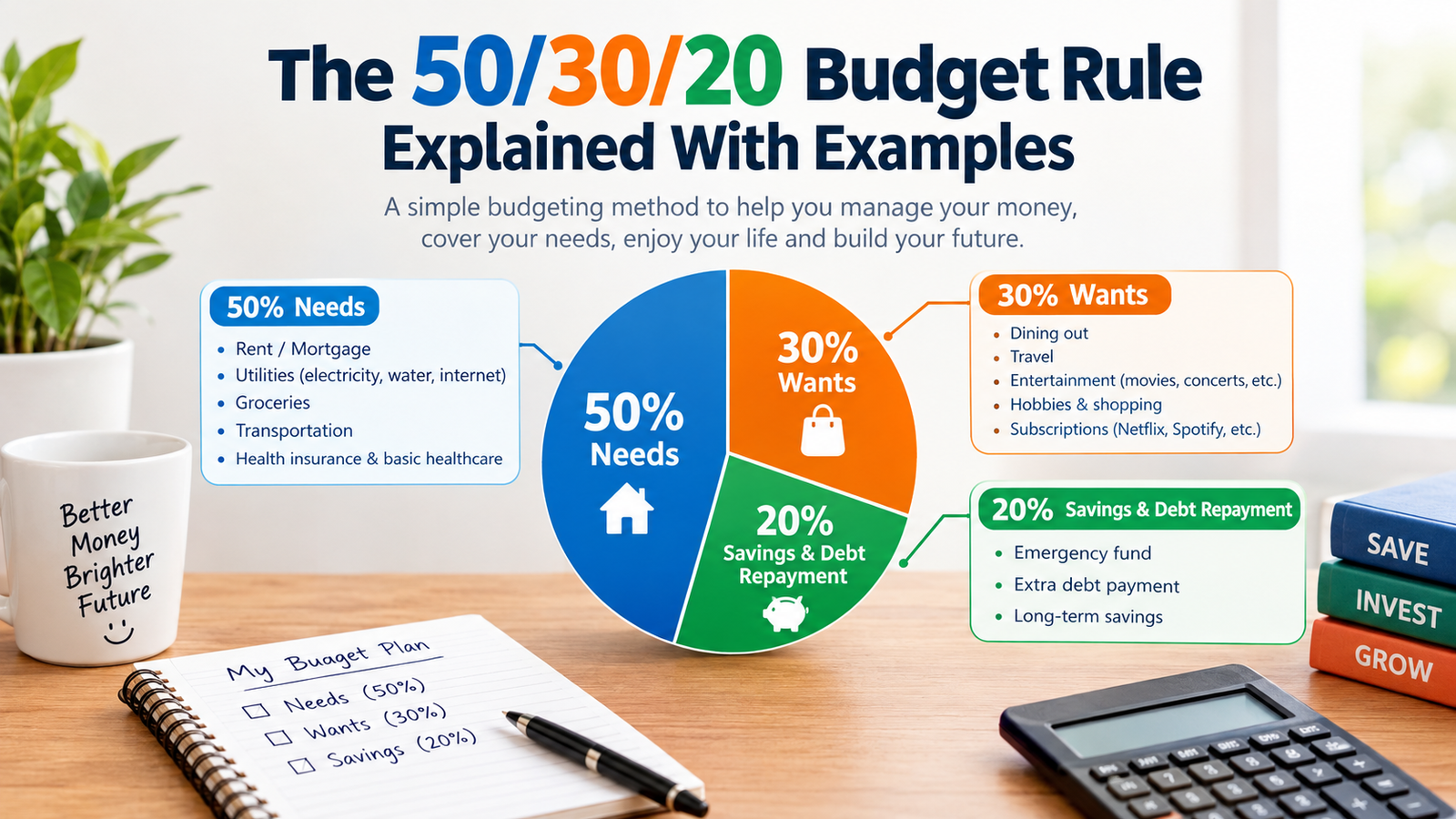
The 50/30/20 budget rule, for example, suggests allocating 50% of take-home income to needs, 30% to wants, and 20% to savings and debt repayment. These percentages can be a useful starting point, but they may not suit every financial situation.
Build your budget around your actual income, essential expenses, and goals.
A realistic budget that you can follow consistently is more useful than a popular formula that does not reflect your circumstances.
10. Giving Up After One Bad Month
Many people abandon their budgets after overspending in one category or facing an unexpected bill.
They may feel that the plan has failed, even though one difficult month does not mean budgeting is ineffective.
A budget is a working plan, and real life does not always follow predictable patterns.
How to Avoid This Mistake
Review what happened instead of giving up.
Ask yourself whether the expense was unexpected, whether your original estimate was too low, or whether you made a spending decision that you would handle differently next time.
Adjust your budget based on what you learn.
For example, if your electricity bill is consistently higher than expected, update your monthly estimate. If you overspend on dining out, consider setting a more practical limit or planning meals in advance.
The goal is continuous improvement, not perfection.
11. Ignoring Small Recurring Charges
Subscriptions and recurring payments can quietly reduce the money available for other priorities.
Streaming services, memberships, cloud storage, premium applications, and other recurring charges may seem inexpensive individually. However, several unused subscriptions can add up to a meaningful monthly expense.
How to Avoid This Mistake
Review your bank statements and payment accounts for recurring charges.
Create a list of subscriptions, their monthly or annual costs, and how often you use them.
Cancel services you no longer need and consider lower-cost plans when they provide the features you require.
For annual subscriptions, calculate the monthly equivalent so you understand their impact on your budget.
You do not need to cancel every paid service. Keep the ones that provide enough value to justify their cost.
12. Making Your Budget Too Complicated
A budget with dozens of categories, complicated formulas, and frequent manual updates can become difficult to maintain.
Although detailed tracking can be useful, excessive complexity may discourage you from using the system consistently.
How to Avoid This Mistake
Start with a simple structure that includes:
- Housing
- Food and groceries
- Utilities
- Transportation
- Healthcare
- Debt payments
- Personal spending
- Savings
- Irregular expenses
Add more categories only when you need additional detail.
Choose a tracking tool that fits your routine. A basic spreadsheet or notebook may be sufficient, especially when you are starting out.
Once you have developed a consistent habit, you can improve your system if necessary.
13. Not Reviewing Your Budget Regularly
Creating a budget once and never updating it is another common mistake.
Your income, expenses, responsibilities, and priorities can change over time. If your budget does not reflect these changes, it may become unrealistic.
For example, a rent increase or a new household expense can affect the amount available for savings and optional spending.
How to Avoid This Mistake
Review your spending every week and conduct a more complete budget review at the end of each month.
Compare planned expenses with actual spending and identify categories that repeatedly exceed their limits.
Update your estimates when costs change and reconsider your financial goals when necessary.
You should also review your budget after major life events, such as changing jobs, moving to a new home, or experiencing a significant change in income.
14. Depending on Credit Cards to Cover Budget Shortfalls
Credit cards can be convenient payment tools, but relying on them to cover regular expenses when income is insufficient can lead to growing debt.
If you repeatedly borrow money to pay for groceries, bills, or other essentials without a repayment plan, interest and fees may make your financial situation more difficult.
How to Avoid This Mistake
Track credit card purchases as expenses when you make them. Do not treat your available credit limit as additional income.
Include required card payments in your budget and plan how you will repay outstanding balances.
If your expenses consistently exceed your income, examine the underlying problem rather than relying on new borrowing to fill the gap. You may need to reduce some costs, seek additional income, explore available assistance, or discuss payment arrangements with creditors.
If you pay a card in full each month, remember to account for the purchases themselves so your spending is not hidden by the later payment from your bank account.
Example: How to Improve a Monthly Budget
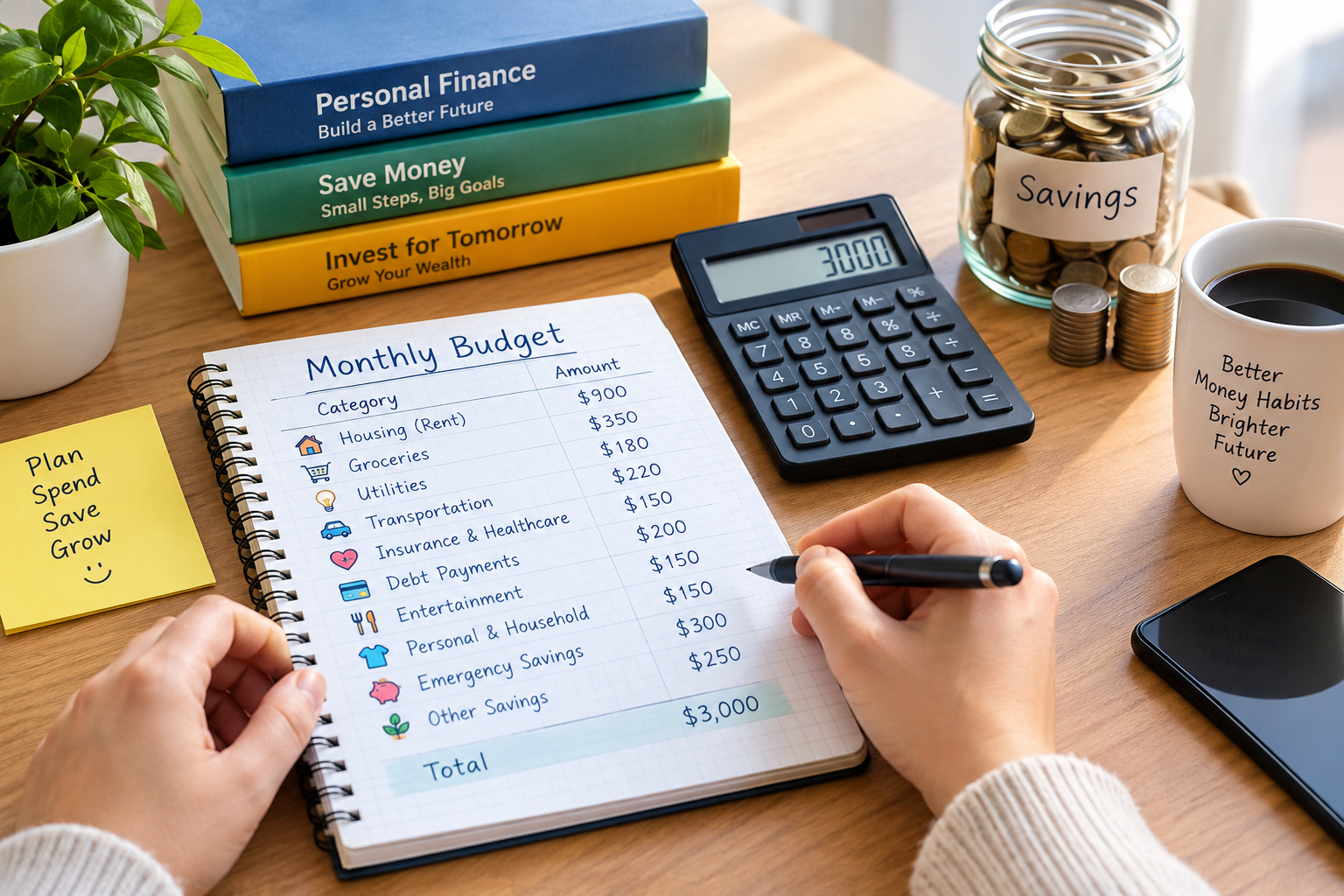
Consider a person with a monthly take-home income of $3,000 who regularly struggles to save money.
After reviewing three months of expenses, they discover that they spend more than expected on dining out, unused subscriptions, and unplanned shopping.
Here is an illustrative revised budget:
| Budget category | Monthly amount |
|---|---|
| Housing | $900 |
| Groceries | $350 |
| Utilities and phone | $180 |
| Transportation | $220 |
| Healthcare and insurance | $150 |
| Required debt payments | $200 |
| Dining and entertainment | $150 |
| Personal purchases | $150 |
| Emergency savings | $300 |
| Other savings and future expenses | $250 |
| Unallocated buffer | $150 |
| Total planned income | $3,000 |
In this example, the person has assigned their full income to essential expenses, flexible spending, savings, debt payments, and a buffer.
The budget would only work if the amounts reflect their real obligations and living costs. If their actual expenses differ, they should revise the figures instead of forcing themselves to follow an unrealistic plan.
The important lesson is that reviewing spending, setting practical limits, and assigning money to specific purposes can make a budget more useful.
How to Build Better Budgeting Habits
Avoiding budgeting mistakes becomes easier when you develop a few consistent habits.
Track your spending regularly. Record purchases throughout the month instead of relying on memory.
Plan before the month begins. List expected income, bills, savings goals, and irregular expenses.
Prioritize essential obligations. Make sure basic living costs and required payments are accounted for before planning optional purchases.
Keep the system simple. Use a method you can maintain without spending excessive time on administration.
Review progress weekly. Identify problems early enough to make adjustments.
Be realistic about your income. If your earnings vary, use conservative estimates and revise your plan when actual income becomes clear.
Allow flexibility. Leave room for reasonable personal spending and unexpected costs whenever possible.
Learn from each month. Treat your budget as a tool that improves with experience rather than a test you must pass perfectly.
Frequently Asked Questions
What is the biggest budgeting mistake beginners make?
One common mistake is creating an unrealistic budget based on what they wish they spent rather than what they actually spend. Reviewing recent transactions and setting practical limits can help make the budget easier to follow.
Why do I keep going over my budget?
You may be underestimating expenses, forgetting irregular bills, making unplanned purchases, or setting limits that do not fit your circumstances. Review your spending records to identify the specific reason and adjust your plan accordingly.
How often should I review my budget?
A weekly check can help you monitor spending, while a monthly review allows you to compare planned and actual expenses. Update your budget sooner if your income or essential costs change significantly.
Should I stop spending money on wants to save more?
Not necessarily. A sustainable budget can include entertainment, hobbies, and other enjoyable purchases. The goal is to balance optional spending with essential costs, savings, and debt repayment.
What should I do if my income is not enough to cover my expenses?
Prioritize essential needs and required payments, identify realistic cost reductions, and explore available assistance or ways to increase income. If the shortfall continues, consider speaking with a reputable nonprofit financial counselor where available.
Can budgeting help me get out of debt?
Budgeting can help you understand how much money is available for debt repayment and prevent avoidable spending from interfering with your plan. However, progress also depends on your income, debt balances, interest rates, and ability to make payments.
Final Thoughts
Budgeting mistakes are common, especially when you are learning how to manage your money. Unrealistic limits, forgotten expenses, poor tracking, and inconsistent reviews can make even a well-intentioned budget difficult to follow.
The solution is to build a realistic plan, record your spending, prioritize essential expenses, and review your progress regularly. Start with a simple system and make gradual changes that fit your circumstances.
Remember that a successful budget does not require perfect spending every month. It requires understanding your finances, learning from your decisions, and making adjustments that support your long-term goals.
Disclaimer: This article provides general educational information and is not individualized financial advice. Your budgeting needs may vary depending on your income, location, responsibilities, and financial goals.

Leave a Reply