
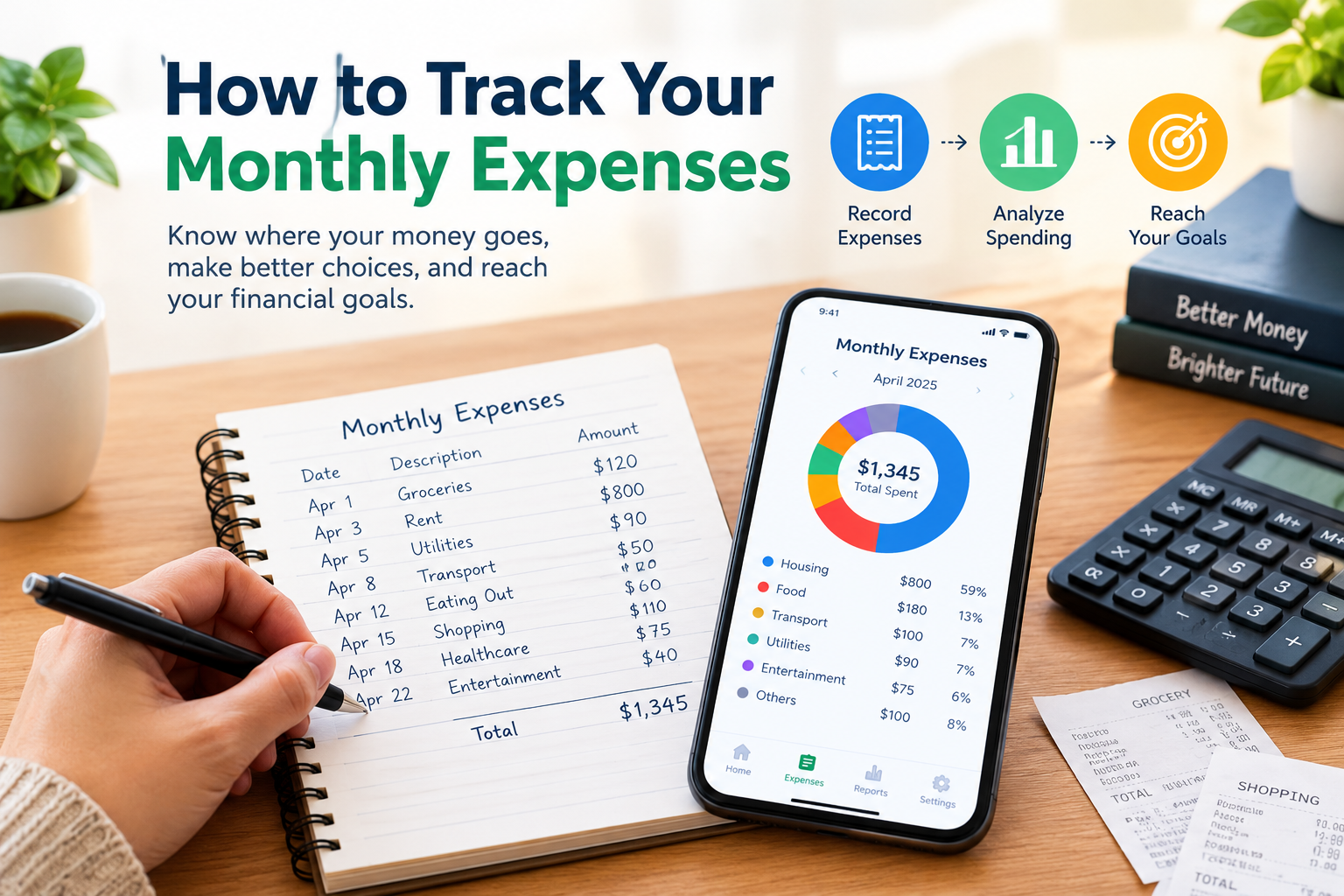
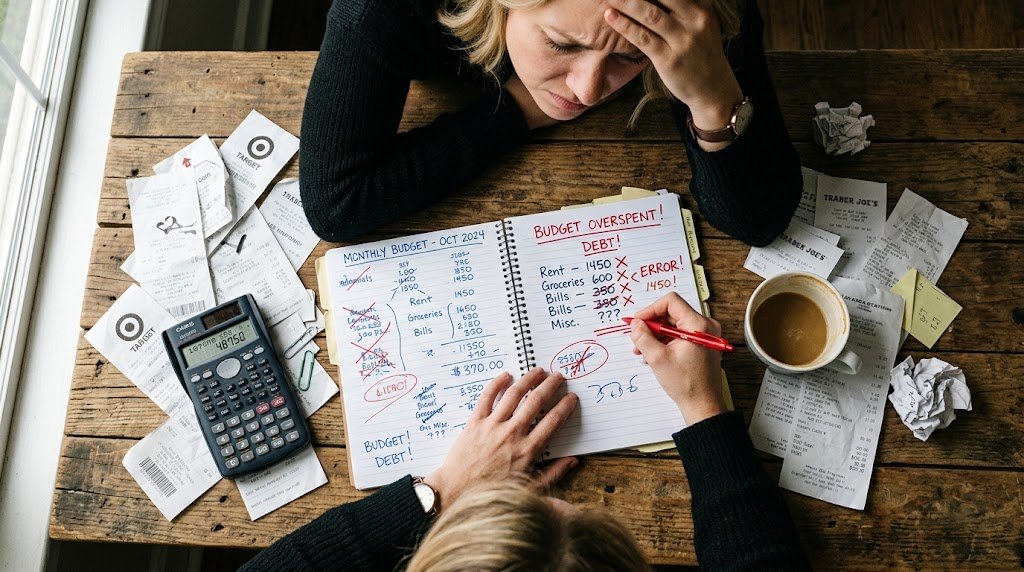
Tracking your monthly expenses is one of the simplest ways to understand your financial habits, control spending, and make better decisions about your money. Many people know how much they earn each month but have little idea where all their money goes. Small purchases, recurring subscriptions, grocery bills, and unexpected costs can gradually add up and make it difficult to save.
Expense tracking helps you see exactly how much you spend, which categories take up most of your income, and where you may be able to reduce unnecessary costs. You do not need expensive software or advanced financial knowledge to get started. A notebook, spreadsheet, or budgeting app can be enough.
In this guide, you will learn how to track your monthly expenses step by step, organize spending into categories, choose the right tracking method, and use your spending records to build a more effective budget.
What Does It Mean to Track Monthly Expenses?
Tracking monthly expenses means recording the money you spend over a specific period, usually one month. Each expense is recorded with details such as the amount, date, and category.
For example, you might record a grocery purchase, a transportation payment, a utility bill, or a restaurant meal. At the end of the month, you can calculate how much you spent in each category and compare the total with your income and budget.
Expense tracking is different from simply checking your bank balance. Your balance tells you how much money remains, while expense records help explain where your money went.
When you track spending consistently, you can identify patterns, prepare for upcoming bills, and make more informed decisions about your financial priorities.
Why Is Tracking Monthly Expenses Important?
Understanding your spending habits can help you manage your finances more confidently.
1. Helps control spending
Recording purchases makes you more aware of your spending decisions. You may discover that frequent small purchases or unplanned shopping are costing more than you expected.
2. Makes budgeting easier
Expense records provide realistic information for setting monthly limits. Instead of guessing how much you spend on groceries or transportation, you can use your actual spending history.
3. Helps identify unnecessary expenses
Reviewing transactions may reveal subscriptions you no longer use, repeated service fees, or purchases that do not support your priorities.
4. Supports saving goals
When you understand your expenses, you can identify realistic opportunities to set aside money for emergencies, major purchases, or future plans.
5. Helps prepare for bills
Tracking recurring payments allows you to anticipate upcoming expenses and reduce the risk of missing important payment dates.
6. Reduces financial uncertainty
Knowing your usual spending patterns can make it easier to plan for the month ahead and respond to unexpected costs.
Expense tracking cannot eliminate every financial challenge, but it gives you better information for making decisions.
Step 1: Choose an Expense-Tracking Method
The first step is choosing a method that fits your lifestyle. The best system is one you can update regularly without making the process too complicated.
Use a Notebook
A notebook is a simple option if you prefer writing things down. Record each purchase as it happens, including the date, amount, and reason for the expense.
For example:
- October 2 — Groceries — $35
- October 3 — Transportation — $12
- October 4 — Coffee — $5
- October 5 — Electricity bill — $60
At the end of the week, add up your expenses and assign them to categories.
A notebook works well for people who prefer a low-cost, straightforward method. However, you will need to calculate totals manually.
Use a Spreadsheet
A spreadsheet is useful if you want to organize expenses and calculate totals automatically. You can use spreadsheet software to create columns for the date, description, category, payment method, and amount.
For example:
| Date | Description | Category | Amount |
|---|---|---|---|
| October 2 | Groceries | Food | $35 |
| October 3 | Bus fare | Transportation | $12 |
| October 4 | Coffee | Dining | $5 |
| October 5 | Electricity | Utilities | $60 |
| Total | $112 |
You can add more rows throughout the month and use formulas to calculate totals by category.
Spreadsheets are especially helpful if you want to compare spending across several months or create charts showing where your money goes.
Use a Budgeting App
A budgeting app can help you record purchases, categorize transactions, and review spending from your phone or computer. Depending on the app and your location, it may also connect to supported financial accounts.
Some apps require subscriptions or provide different features depending on the plan. Before connecting a bank account, review the app’s privacy practices, permissions, security features, and fees.
You do not need a budgeting app to track expenses successfully. A notebook or spreadsheet can be equally useful if you maintain it consistently.
Step 2: Record Every Expense
Once you have chosen a method, begin recording your spending. Include both large bills and small purchases because all of them affect your available money.
Record expenses such as:
- Rent or mortgage payments
- Groceries and household supplies
- Electricity, water, gas, and internet
- Transportation and fuel
- Healthcare and insurance
- Dining out and takeaway meals
- Clothing and personal purchases
- Entertainment and subscriptions
- Loan payments and bank fees
- Gifts and unexpected expenses
Whenever possible, record an expense immediately after making the purchase. If that is not practical, save the receipt or make a note on your phone and update your records later that day.
You should also review your bank and card statements regularly. This helps you catch forgotten transactions, recurring charges, and possible billing errors.
For cash purchases, keep receipts or write down the amount. Cash expenses can be easy to forget because they may not appear in your bank statement.
Be careful not to count the same purchase twice. If you record a purchase when you make it, do not add it again when it appears in your bank statement.
Step 3: Organize Expenses Into Categories
Grouping expenses makes your records easier to understand. Instead of reviewing a long list of purchases, you can see how much you spend on different parts of your life.
Start with a few practical categories.
Housing
Include rent, mortgage payments, property-related charges, and other housing costs.
Food and Groceries
Record supermarket purchases, basic groceries, and household food supplies. You may track restaurant meals separately if you want more detail.
Transportation
Include fuel, public transportation, parking, vehicle maintenance, and other necessary travel costs.
Utilities and Communication
Track electricity, water, heating, internet, and phone bills.
Healthcare
Include necessary medical expenses, insurance premiums, prescriptions, and other health-related costs.
Personal Spending and Entertainment
Record clothing, hobbies, subscriptions, restaurant meals, entertainment, and other optional purchases.
Savings and Debt Payments
Track transfers to savings and payments toward loans or credit cards. Keeping these visible helps you understand how much money is going toward future goals and financial obligations.
You can create additional categories if needed, but avoid making the system unnecessarily complicated. Too many categories can make expense tracking harder to maintain.
Step 4: Separate Fixed and Variable Expenses
Another useful way to organize your spending is to distinguish between fixed and variable expenses.
Fixed expenses are payments that generally remain similar from month to month. Examples include rent, insurance premiums, and regular loan payments.
Variable expenses change according to your usage or choices. Examples include groceries, fuel, dining out, clothing, and entertainment.
Some costs fall between these groups. Your electricity bill may vary each month, even though electricity is an essential expense.
This distinction helps you identify which expenses are predictable and which may require closer monitoring.
For instance, if your fixed expenses already consume a large portion of your income, you may need to pay particular attention to flexible spending. If variable costs change because of seasonal bills or irregular needs, you can plan for those differences in advance.
Step 5: Calculate Your Total Monthly Expenses
At the end of each week and month, add up your recorded transactions.
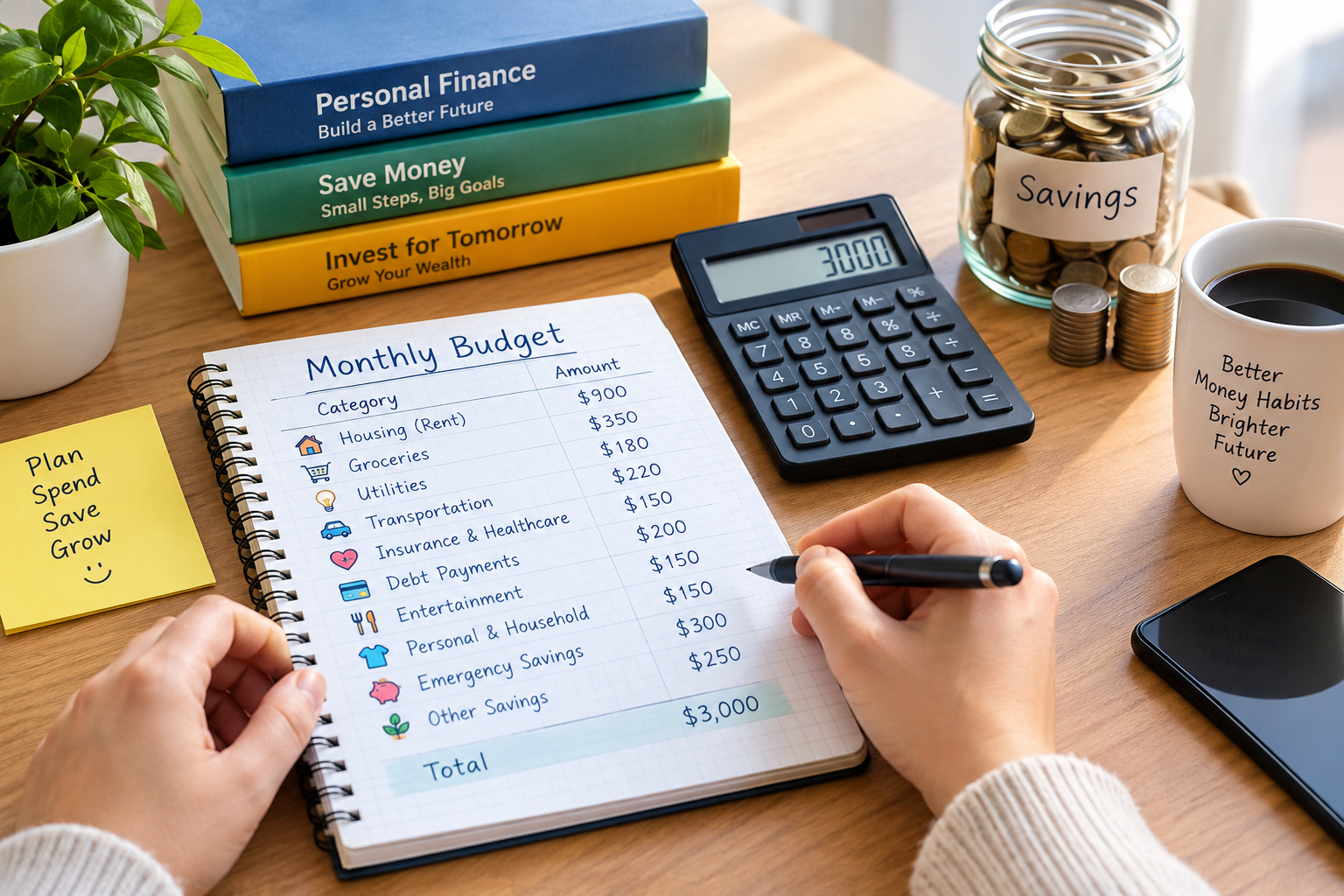
Suppose your monthly expenses look like this:
| Expense category | Monthly amount |
|---|---|
| Housing | $900 |
| Groceries | $350 |
| Utilities and phone | $180 |
| Transportation | $220 |
| Healthcare and insurance | $150 |
| Dining and entertainment | $120 |
| Personal purchases | $130 |
| Debt payments | $200 |
| Total expenses | $2,250 |
In this example, total monthly expenses are $2,250.
If your monthly take-home income is $3,000, you can calculate the difference:
Monthly income − Monthly expenses = Remaining money
$3,000 − $2,250 = $750
The remaining $750 is not automatically all available for optional spending. You may need to allocate it to savings, upcoming annual bills, additional debt payments, or other financial goals.
The purpose of this calculation is to understand how your spending compares with your income and decide how to use any remaining money.
Step 6: Compare Actual Spending With Your Budget
If you already have a monthly budget, compare your recorded expenses with the amounts you planned to spend.
For example, suppose your grocery budget is $350, but your actual spending reaches $410. You have spent $60 more than planned.
This does not necessarily mean you have made a mistake. Food prices may have increased, you may have purchased supplies for the household, or your original estimate may have been unrealistic.
Review the reason for the difference and decide whether you can adjust your spending or need to update the budget.
You can use a simple comparison table:
| Category | Planned amount | Actual amount | Difference |
|---|---|---|---|
| Groceries | $350 | $410 | $60 over |
| Transportation | $220 | $190 | $30 under |
| Entertainment | $120 | $95 | $25 under |
| Utilities | $180 | $175 | $5 under |
This comparison highlights categories that may need attention. It also shows where your estimates are accurate and where they could be improved.
If you are just beginning to track expenses, spend the first month collecting information before setting strict limits. Your actual spending records will help you build a more realistic budget.
Step 7: Identify Spending Habits and Patterns
Expense tracking becomes more valuable when you look beyond the totals and examine your habits.
For example, you might notice that:
- Restaurant spending increases on busy workdays.
- Several small online purchases add up over the month.
- You continue paying for subscriptions you rarely use.
- Grocery spending rises when you shop without a list.
- Transportation costs increase during certain weeks.
- Seasonal bills create predictable increases in expenses.
Look for patterns that you can realistically change. You do not need to eliminate every optional purchase or reduce all spending categories.
Instead, choose one or two areas where a small adjustment could make a meaningful difference.
For example, if you spend $120 each month on unused subscriptions and optional services, canceling those you no longer need could free up money for savings or other priorities.
The goal is to spend more intentionally, not to feel guilty about every purchase.
Step 8: Review Your Expenses Every Week
Waiting until the end of the month to review all your spending can make it difficult to notice problems early.
Set aside a few minutes once a week to update your records and review category totals.
During your weekly review:
- Enter any missing transactions.
- Check cash purchases and receipts.
- Review recent bank or card transactions.
- Compare spending with your category limits.
- Identify upcoming bills and irregular expenses.
- Adjust your plans if necessary.
A weekly review keeps your records current without requiring a long session every day.
You can also set a reminder on your phone or calendar so that expense tracking becomes part of your regular routine.
Step 9: Use Your Expense Records to Save Money
Once you understand where your money goes, look for practical opportunities to reduce costs.
Here are several ways to use your records to improve your finances.
Review subscriptions: Check whether you still use streaming services, memberships, and other recurring payments.
Plan grocery shopping: Prepare a shopping list, compare prices, and plan meals to reduce unnecessary purchases and food waste.
Compare regular bills: Where available, compare service providers or plans for internet, mobile phone, insurance, and utilities.
Set limits for flexible spending: Give dining out, entertainment, and shopping clear monthly allowances.
Prepare for irregular costs: Set aside money each month for predictable annual bills, maintenance, and other occasional expenses.
Redirect savings toward goals: When you reduce an expense, decide in advance whether the freed-up money will support emergency savings, debt repayment, or another priority.
Avoid cutting essential healthcare, necessary food, or other important needs simply to make the numbers look better. The aim is to improve your financial position while maintaining a reasonable standard of living.
Common Expense-Tracking Mistakes to Avoid
Even a simple tracking system can become less useful if you make the following mistakes.
Forgetting Cash Purchases
Cash spending is often harder to remember than card payments. Record cash transactions as soon as possible and review your cash withdrawals if your records do not match your available money.
Recording Only Large Expenses
Small purchases can add up significantly over time. Track everyday spending as well as rent, utility bills, and other major costs.
Giving Up After Missing a Few Transactions
Missing a day or two does not mean you need to start over. Use receipts and statements to fill in what you can, then continue recording new expenses.
Creating Too Many Categories
An overly detailed system may take too much time to maintain. Start with a manageable number of categories and add more only when they provide useful information.
Ignoring Irregular Expenses
Annual insurance payments, vehicle repairs, gifts, and seasonal expenses can distort your monthly totals. Record them and plan for predictable costs in advance.
Tracking Expenses Without Taking Action
Recording purchases is only the first step. Review the results and use them to make decisions about your budget, spending, and savings goals.
Counting Transfers Twice
Moving money between your own accounts is not usually a new expense. Record the actual purchase or payment rather than counting both the transfer and the final transaction as separate spending.
A Simple Monthly Expense-Tracking Checklist
Use this checklist to establish a routine.
- Choose a notebook, spreadsheet, or budgeting app.
- Record your monthly take-home income.
- Create categories for regular expenses.
- Record cash and electronic purchases.
- Review bank and card statements.
- Calculate weekly and monthly totals.
- Compare actual spending with your budget.
- Identify unnecessary or unexpected costs.
- Plan for upcoming bills.
- Set a realistic savings target for the next month.
You can repeat this process every month and gradually improve your tracking system as you learn more about your spending habits.
Frequently Asked Questions
What is the easiest way to track monthly expenses?
A simple spreadsheet or notebook is often enough. Record the date, amount, and category of each purchase, then calculate totals at the end of the week and month. A budgeting app may be more convenient if you prefer digital tracking.
How often should I track my expenses?
Ideally, record expenses daily or as soon as practical. Review your records at least once a week and calculate your monthly totals at the end of the month.
Should I track small purchases?
Yes. Small purchases such as coffee, snacks, parking, and inexpensive online orders can add up over time. Recording them gives you a more accurate picture of your spending.
Can I track expenses without a budgeting app?
Yes. You can use a notebook, spreadsheet, or basic list on your phone. The important part is recording transactions accurately and reviewing them regularly.
How do I track cash expenses?
Write down each cash purchase or keep the receipt and enter it into your records later. You can also compare your cash withdrawals with your recorded purchases to identify missing transactions.
How long should I track my expenses?
Track expenses continuously if you want an accurate picture of your financial habits. Reviewing several months of records can help you identify seasonal costs, recurring spending patterns, and realistic savings opportunities.
What should I do if my expenses are higher than my income?
First, identify the categories causing the shortfall and prioritize essential needs and required payments. Look for realistic ways to reduce flexible costs, contact relevant service providers about payment options if necessary, and explore ways to improve income. If the gap is persistent, you may need a broader financial plan rather than relying on small spending cuts alone.
Final Thoughts
Tracking your monthly expenses is a practical first step toward better money management. It helps you understand your spending, recognize patterns, prepare for bills, and make more informed financial decisions.
Start with a simple system, record every purchase you can, and review your spending regularly. Do not worry about creating a perfect budget immediately. Focus on building a consistent habit and using the information you collect to make realistic improvements.
Over time, accurate expense records can help you create a better monthly budget, reduce avoidable spending, and work toward your financial goals with greater confidence.
Disclaimer: This article provides general educational information and is not individualized financial advice. Your budgeting needs may vary depending on your income, location, responsibilities, and financial goals.

Leave a Reply